How Tourist Taxes and Rules Are Changing Travel
You spent months researching flights. You locked in an apartment with a view of a cobblestone plaza. You budgeted for gelato, espresso, museum tickets, and late-night dinners. You packed your bags, boarded your flight, and landed with your heart set on romance and adventure.
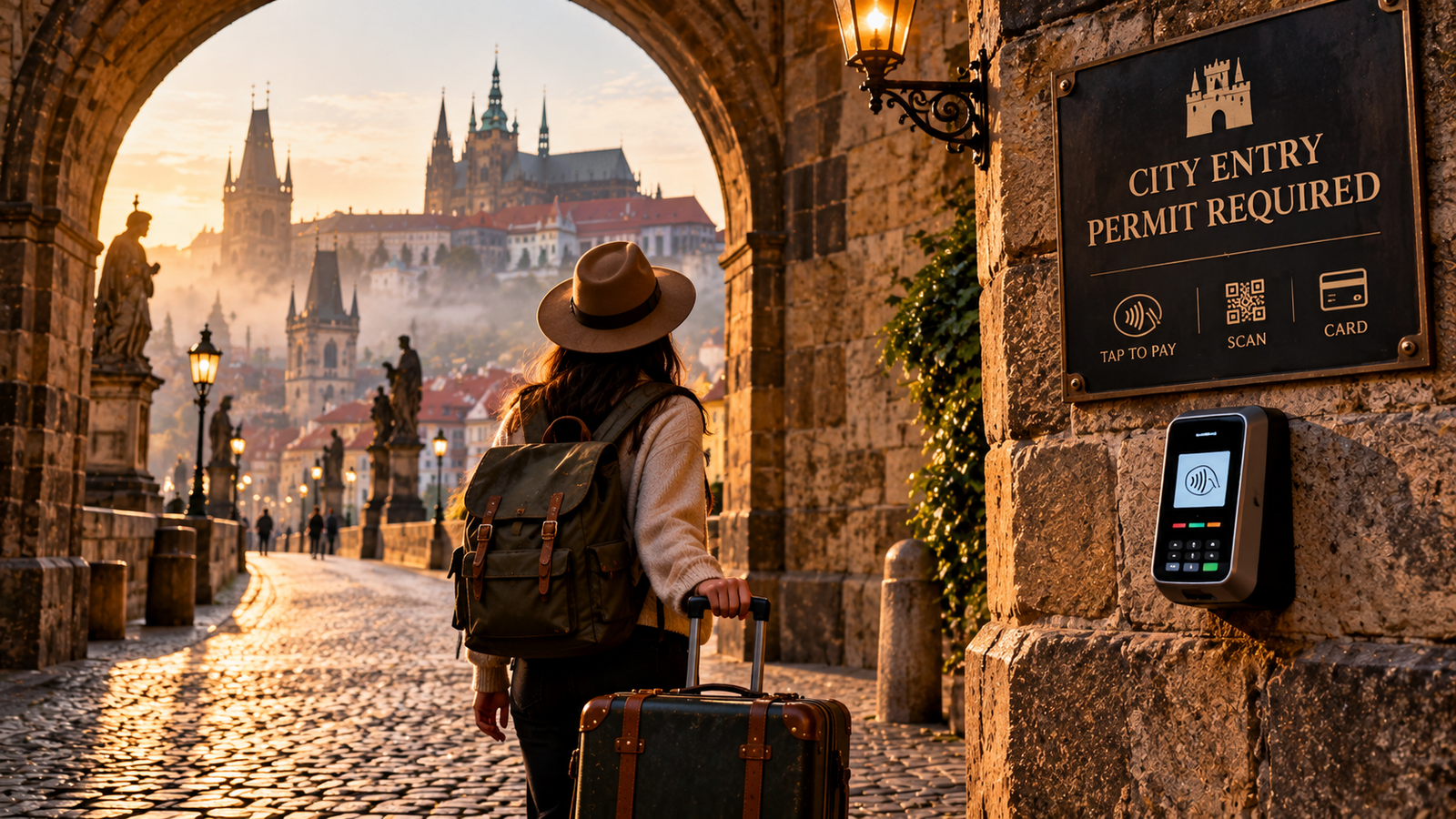
Then, you step out of the central train station, and the first thing that greets you is a queue of uniformed officials checking QR codes and collecting a city access fee.
If you don’t have a pre-booked digital permit on your phone, you are handed a spot fine of €100.
Welcome to the new era of global travel.
For decades, international tourism operated under an unspoken agreement: destinations welcomed visitors with open arms because visitors brought foreign exchange, filled hotel beds, and kept local restaurants alive. But that open-door philosophy has broken under the weight of overcrowding, rising housing costs for locals, and damaged heritage sites.
Across popular travel corridors, local governments are quietly passing strict Tourist Taxes and Rules designed to do something that once sounded unthinkable: disincentivize casual travel.
If you are planning an international getaway, flying blind without researching local municipal laws can turn your dream escape into a bureaucratic migraine. Here is how destination taxes work, why cities are putting up toll booths, and how smart travelers can navigate the restrictions.
Why Cities Are Putting Up Paywalls
To understand why governments are introducing aggressive Tourist Taxes and Rules, you have to look past the postcard photos and see what happens when millions of people descend on fragile, centuries-old towns.
When a historic canal city or a remote mountain village built for twenty thousand residents absorbs five million visitors a year, the public infrastructure fractures:
- Local residents are priced out of their own rental markets because residential apartments get turned into short-term holiday rentals.
- Municipal sewage and waste systems overflow.
- Emergency vehicles get trapped in pedestrian gridlocks.
In public policy, this is called the “Overtourism Tipping Point.”
Local authorities realized that simply asking visitors to be respectful does not work. Instead, they are turning to pricing mechanisms. By attaching a financial cost to setting foot in a city center, governments hope to achieve two goals simultaneously: generate revenue to repair public services, and price out the “day-tripper” crowds who snap photos for three hours and leave without spending meaningful money at local businesses.
The European Paywall: Venice, Amsterdam, and Daily Entry Fees
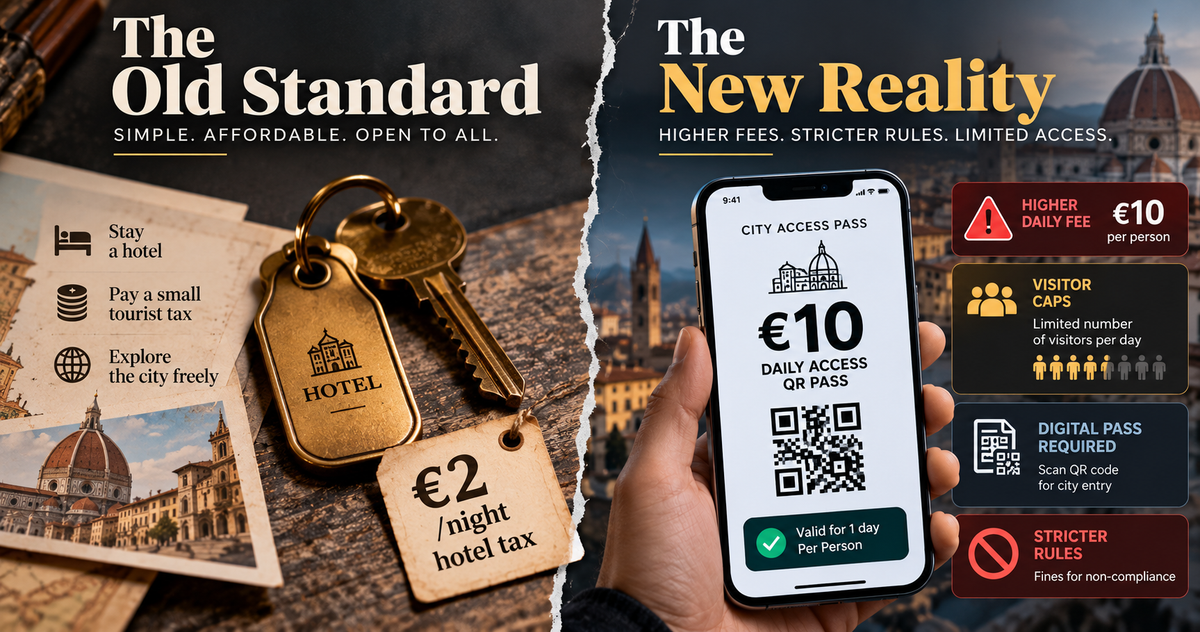
Europe has become ground zero for the anti-tourism regulatory shift. What started as small, unnoticed hotel surcharges of two or three euros per night has evolved into mandatory daytime tolls and outright tourist caps.
The Venice Access Fee
Venice made global headlines by introducing a dedicated entrance fee for day-trippers visiting on peak weekends.
- How it works: Visitors not staying overnight in a registered Venetian hotel must purchase an online access voucher (QR code) before entering the historic center between 8:30 AM and 4:00 PM.
- The Penalty: If you are stopped inside the city perimeter without your QR code, inspectors can issue fines ranging from €50 to €300.
2. Amsterdam’s Double Barrier
Amsterdam enacted the highest tourist tax in the European Union, tacking on a double-digit percentage surcharge to hotel room rates while simultaneously banning new hotel developments and restricting large cruise ships from docking near the city center. The goal is clear: transition away from party crowds and prioritize fewer, higher-spending cultural travelers.
3. Southern European Caps
In Greece, heavy cruise passenger levies are applied during peak summer periods across iconic islands like Santorini and Mykonos to limit port congestion. Meanwhile, historic Spanish coastal cities have begun cutting off water supplies to unauthorized holiday apartments during drought emergencies, prioritizing residents over tourists.
The Asian Shift: Tourist Fees and Crowd Caps in Bali and Japan
The movement toward strict Tourist Taxes and Rules is by no means limited to Europe. Across popular Asian destinations, governments are building similar administrative barriers to protect sacred cultural sites and natural wonders.
The Bali Heritage Levy
Indonesia introduced an official international tourist levy for travelers entering Bali.
- The Purpose: Funds are designated for cultural preservation and waste-management infrastructure on an island that has struggled with plastic pollution and water scarcity.
- The Trap: Travelers often assume the fee is included in their flight ticket or general visa payment. It is not. It must be paid separately through a dedicated government portal, and randomized spot-checks occur at key entry points and temple sites.
Japan’s Sacred Mountain Toll
At Mount Fuji, the era of free, unrestricted climbing has ended.
- The New Measures: A daily climber cap was instituted alongside an mandatory entrance fee per hiker on the popular Yoshida Trail.
- Crowd Control Screens: Local towns in Yamanashi prefecture went as far as erecting physical visual barriers at popular convenience store photo spots where crowds were blocking traffic and trespassing on private properties to take viral snapshots.
How to Travel Without Getting Fined
Understanding the landscape of Tourist Taxes and Rules does not mean you have to abandon your travel bucket list. It simply requires shifting from impulsive travel to strategic planning.
1. Verify Local Municipal Permits Before Landing
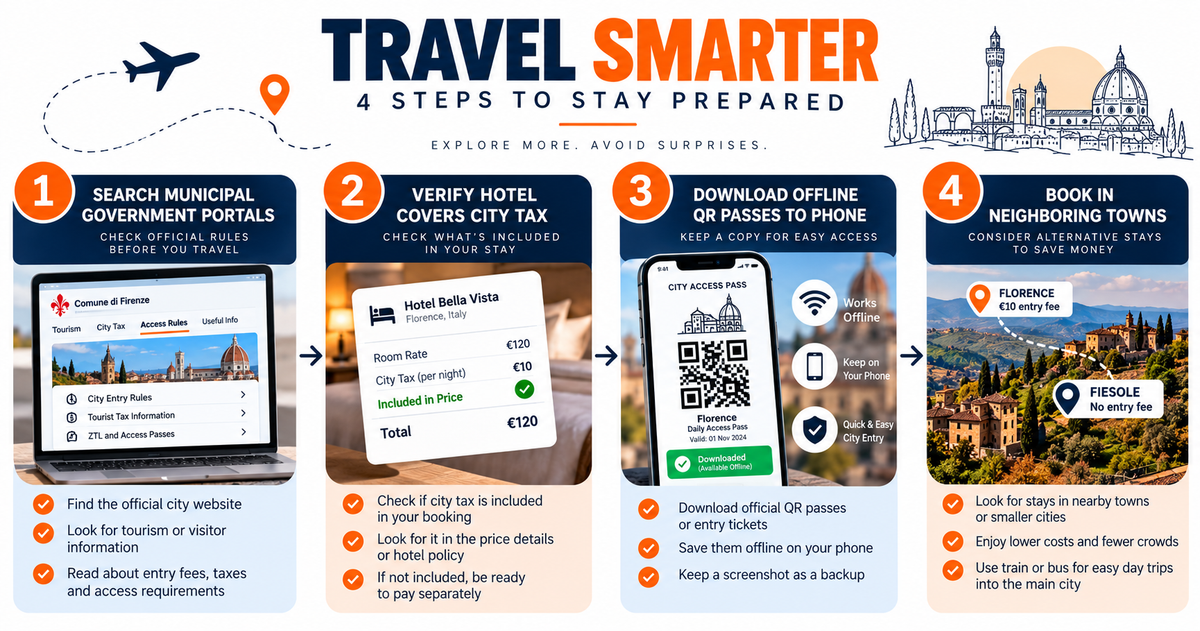
Never assume that having a valid country visa covers your city movements. Two weeks before your trip, search the official municipal government website of every city on your itinerary for keywords like “Tourist Access Pass” or “Visitor Registration.” Save electronic receipts as offline PDF files on your smartphone so you aren’t dependent on spotty roaming data when an inspector stops you.
2. Shift Your Accommodations to Secondary Towns
Most day-tripper fees apply strictly to tourists who do not stay overnight within municipal city limits. By choosing boutique guesthouses in secondary towns just twenty minutes outside the main tourist zone, you support regional family-run economies while frequently avoiding urban access surcharges altogether.
3. Embrace the Off-Peak Window
Almost every municipal tourist levy is structured around peak seasons and weekend hours. By timing your visits for weekday mornings or traveling during autumn and early spring, you dodge both the fees and the crushing crowds that prompted the regulations in the first place.
Frequently Asked Questions (FAQs)
Q: Are tourist taxes included in airline ticket prices?
A: National airport departure taxes are usually bundled into your flight ticket, but local city entry fees and daily municipal visitor taxes are almost never included. You must pay them directly through official government portals or at your hotel reception upon check-in.
Q: What happens if I refuse to pay a city entry fee?
A: Municipal transport police and certified inspectors conduct spot checks in designated historic pedestrian zones. Refusing to pay or failing to produce a valid digital pass can result in immediate fines ranging from three to ten times the original access fee, and in severe cases, notification to border immigration authorities.
Q: How do these rules benefit local residents?
A: When properly managed, tourist taxes fund public transportation maintenance, historic preservation, localized garbage management, and subsidize municipal services so local taxpayers do not carry the entire financial burden of millions of seasonal visitors.
Becoming a Guest, Not Just a Consumer
The world has not closed its doors, but it has changed the lock.
The global wave of Tourist Taxes and Rules is a necessary market correction. It signals the end of the mindset that travel is an unthinking consumer commodity where any city is an amusement park built for our entertainment.
When you navigate these rules with preparation and patience, you stop being an anonymous burden on local infrastructure. You become a conscientious guest who respects the boundaries of the communities that open their homes to you.
Research the permits, budget for the local fees, explore beyond the obvious tourist magnets, and travel with your eyes open to the living cities behind the postcard views.